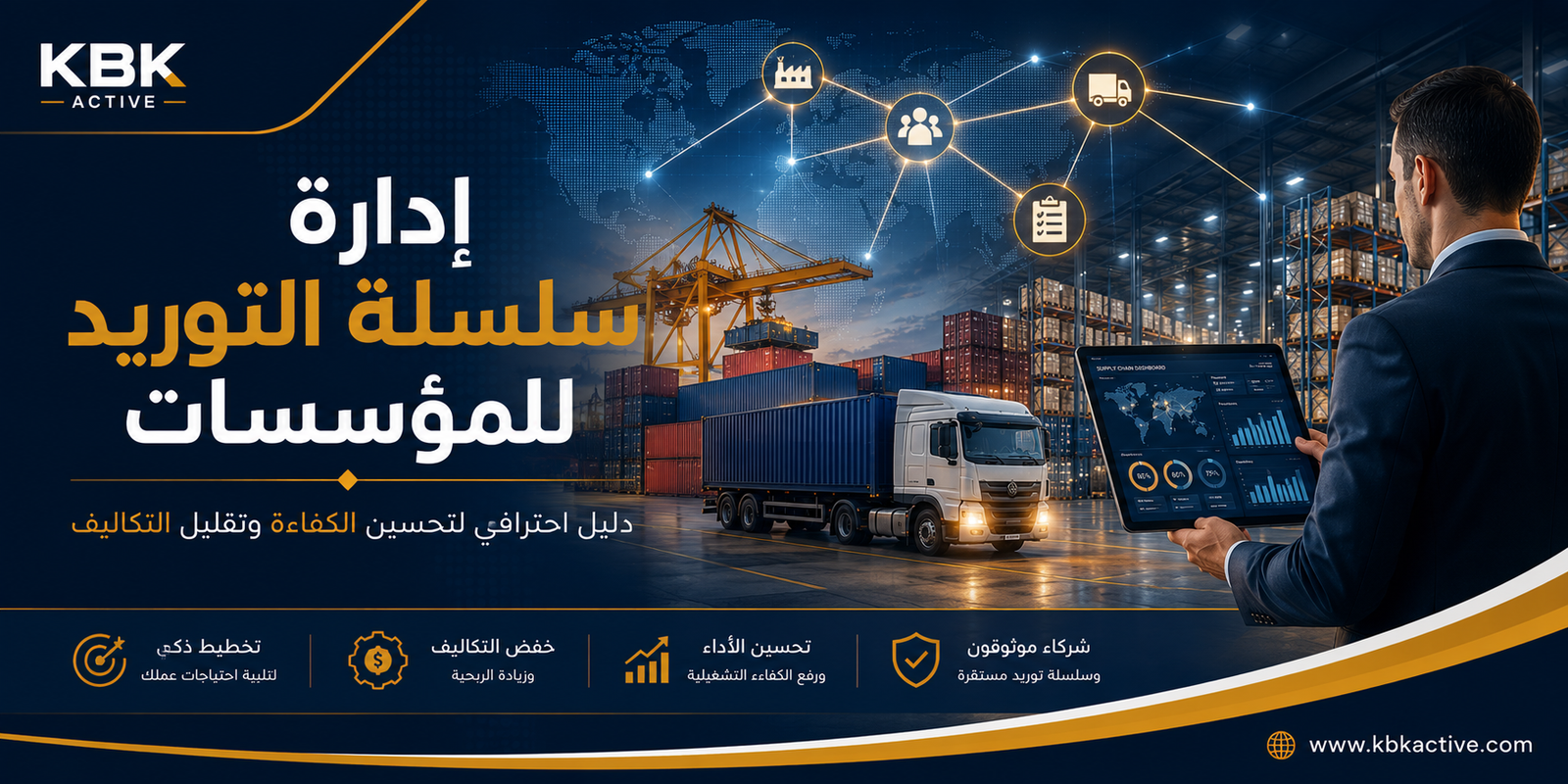
Enterprise Supply Chain Management
A Comprehensive Guide to Improving Efficiency and Reducing Costs
Supply Chain Management (SCM) is one of the most critical factors affecting organizational success, whether in industrial, commercial, or service sectors. Every purchasing, transportation, storage, or delivery process directly impacts service quality, costs, and customer satisfaction.
Supply chain management is no longer just a means of moving products from supplier to customer — it has become a strategic element that gives organizations a competitive advantage when managed professionally.
What is Supply Chain Management?
Supply chain management encompasses all processes from identifying needs, selecting suppliers, purchasing products, storing, transporting, and distributing, all the way to the end customer.
This system includes supplier management, procurement, transportation and logistics, warehousing, inventory management, quality control, delivery, and after-sales service.
Importance of Supply Chain Management
Professional supply chain management helps reduce operational costs, improve product and service quality, reduce delivery delays, increase responsiveness to customer needs, improve inventory management, reduce operational risks, and enhance overall organizational efficiency.
Components of Supply Chain Management
1. Planning
The process begins with studying organizational needs and developing a clear plan for procurement, production, and distribution.
2. Supplier Selection
Choosing the right supplier ensures product quality, adherence to timelines, competitive pricing, and supply continuity.
3. Procurement
Includes requesting quotations (RFQ), comparing suppliers, negotiating, issuing purchase orders, and monitoring execution.
4. Transportation and Logistics
Includes selecting transportation methods, tracking shipments, managing schedules, and reducing delivery time.
5. Warehousing
Organized warehouses ensure product safety, easy access, reduced waste, and fast inventory counting.
6. Inventory Management
Good inventory management prevents product shortages, overstocking, capital freezing, and operational disruptions.
Key Performance Indicators (KPIs)
Key indicators include delivery commitment rate, procurement cost, inventory turnover rate, specification compliance ratio, order fulfillment time, customer satisfaction rate, and number of approved suppliers.
Common Challenges
Organizations face challenges such as price volatility, supplier delays, raw material shortages, poor planning, high transportation costs, and economic changes. These challenges can be mitigated through proactive planning, supplier diversification, and data-driven decision making.
Digital Transformation in Supply Chain
Modern technologies have become essential in improving supply chain management, including ERP systems, inventory management systems, real-time dashboards, smart analytics, automation, and AI for demand forecasting. These tools enhance transparency and improve decision-making speed.
How KBK Active Helps
KBK Active provides integrated procurement solutions for organizations through needs assessment, supplier selection, purchase management, logistics coordination, and quality monitoring — contributing to improved supply chain efficiency and business continuity.
Conclusion
Supply chain management represents a strategic investment in organizational success, not just an operational process. Every improvement in planning, purchasing, transportation, or inventory management directly reflects on quality, cost, and customer satisfaction.
If your organization is looking for a partner to help develop procurement and supply chain operations, you can contact the KBK Active team or submit an RFQ request through the website to start assessing your project needs.
FAQ
What is Supply Chain Management?
It is the management of all processes related to the flow of products and services from supplier to end customer.
What is the difference between Supply Chain and Procurement Management?
Procurement is part of the supply chain, while supply chain also includes warehousing, transportation, inventory management, and distribution.
How can supply chain costs be reduced?
Through improved planning, selecting the right suppliers, efficient inventory management, and using digital solutions.
Is supply chain management important for all sectors?
Yes, it is essential for factories, hotels, hospitals, restaurants, government entities, and private companies.
Related Articles
- Learn more about reducing procurement costs
- Learn more about contract management
- Learn more about sustainable supply chain
Read our complete Supply Chain Management Guide.
Explore more procurement tools at KBK Active Tools Center.
Put This Knowledge Into Practice
Generate RFQs and evaluate suppliers in minutes with our free online tools
About KBK Active
This article was written by KBK Active, a leading enterprise procurement company in Egypt. With over 12 years of experience serving hotels, restaurants, hospitals, and government sectors, we bring deep expertise to every topic we cover.
Learn More About UsRelated Articles
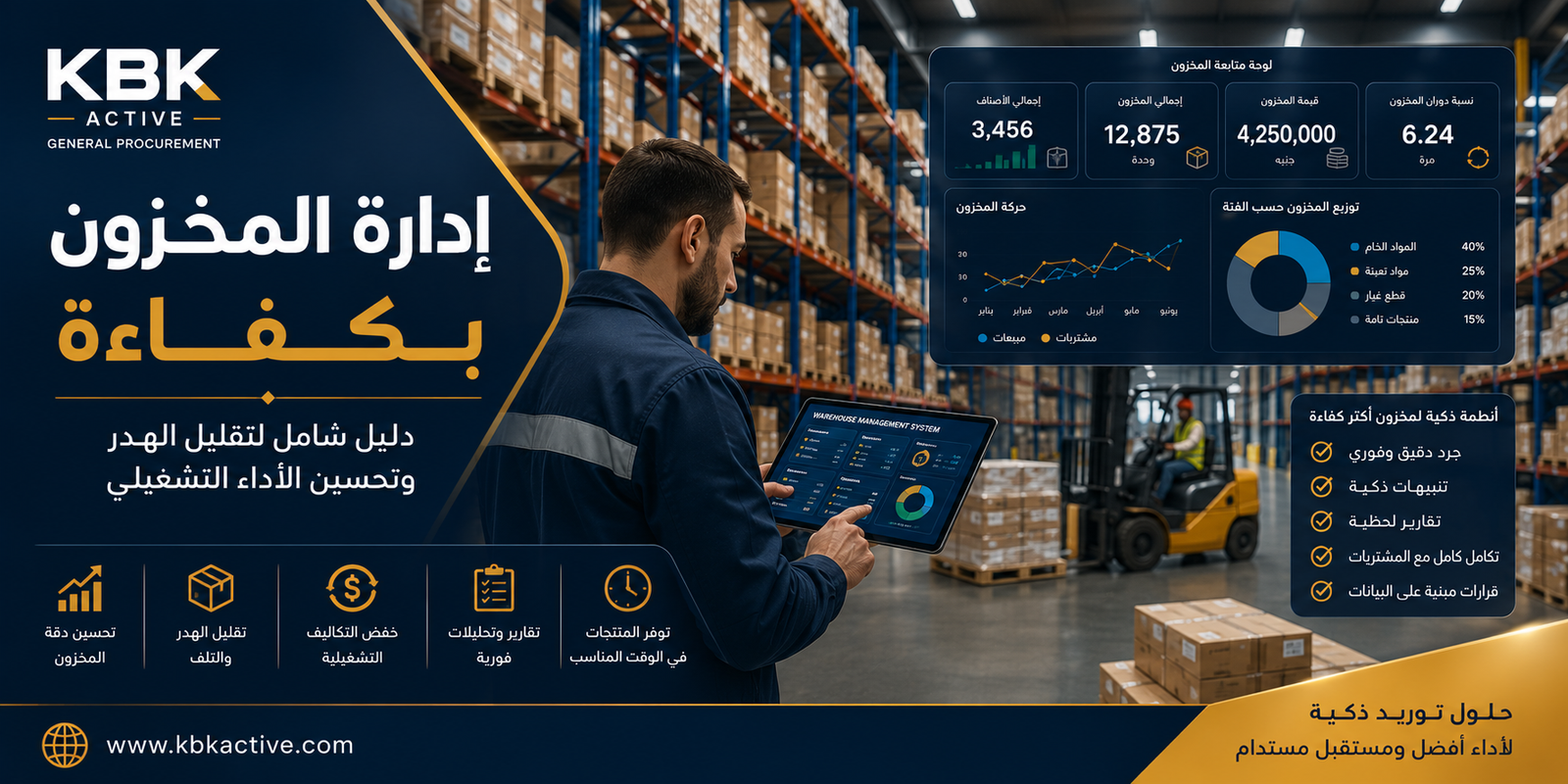
Efficient Inventory Management: A Comprehensive Guide to Reducing Waste and Impr
Learn best inventory management practices, how to reduce waste, improve supply c…
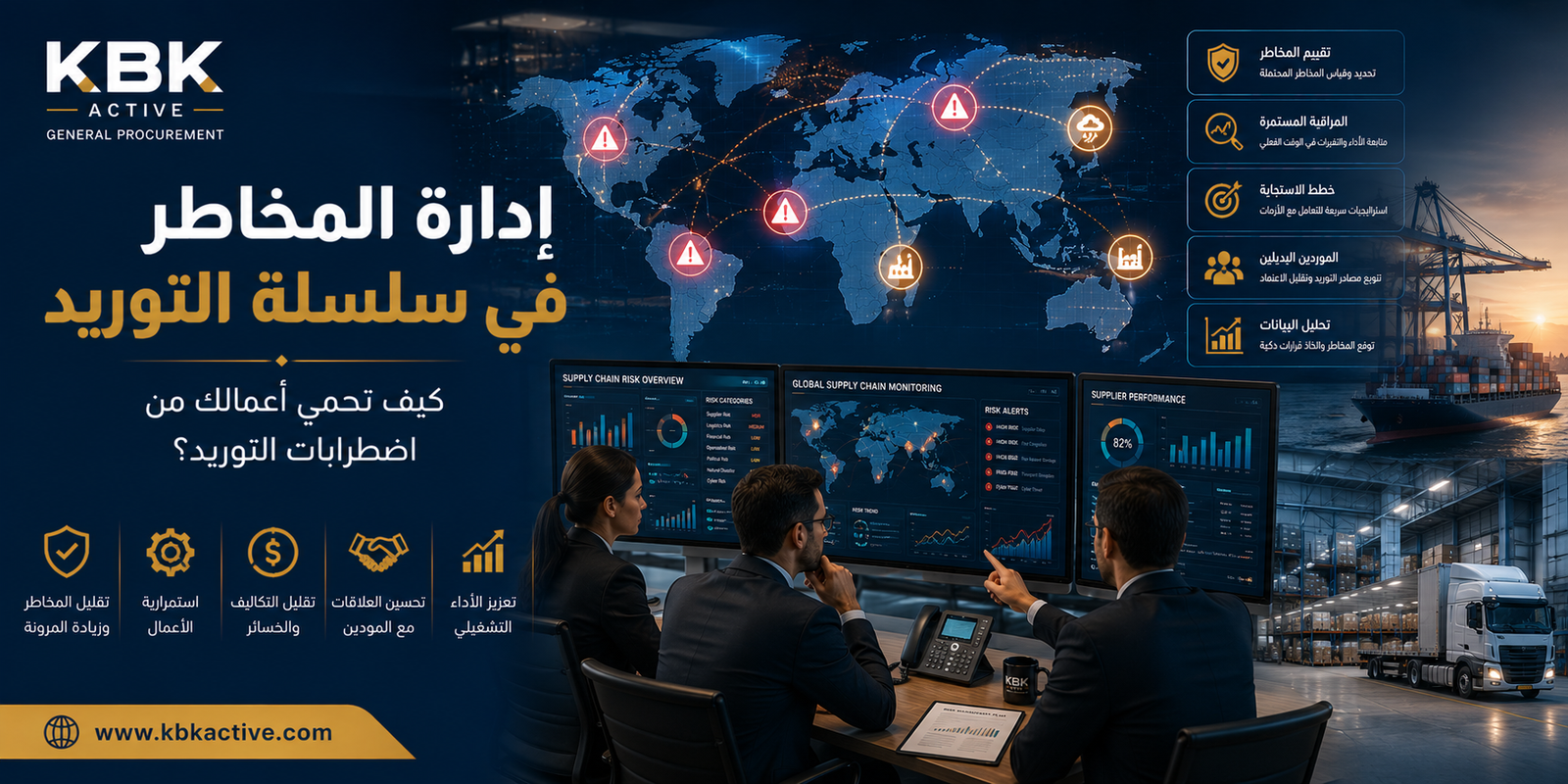
Supply Chain Risk Management: How to Protect Your Business from Supply Disruptio
Learn how to manage supply chain risks, reduce the impact of crises, and ensure …

Supply Chain Management: The Complete Guide to Optimizing Your Operations
Master supply chain management with this comprehensive guide covering planning, …
Need expert help with Enterprise Supply Chain Management: A Comprehensive Guide to Improving Efficiency and Reducing Costs? Our team is ready to assist.
KBK Active provides end-to-end procurement solutions for enterprises