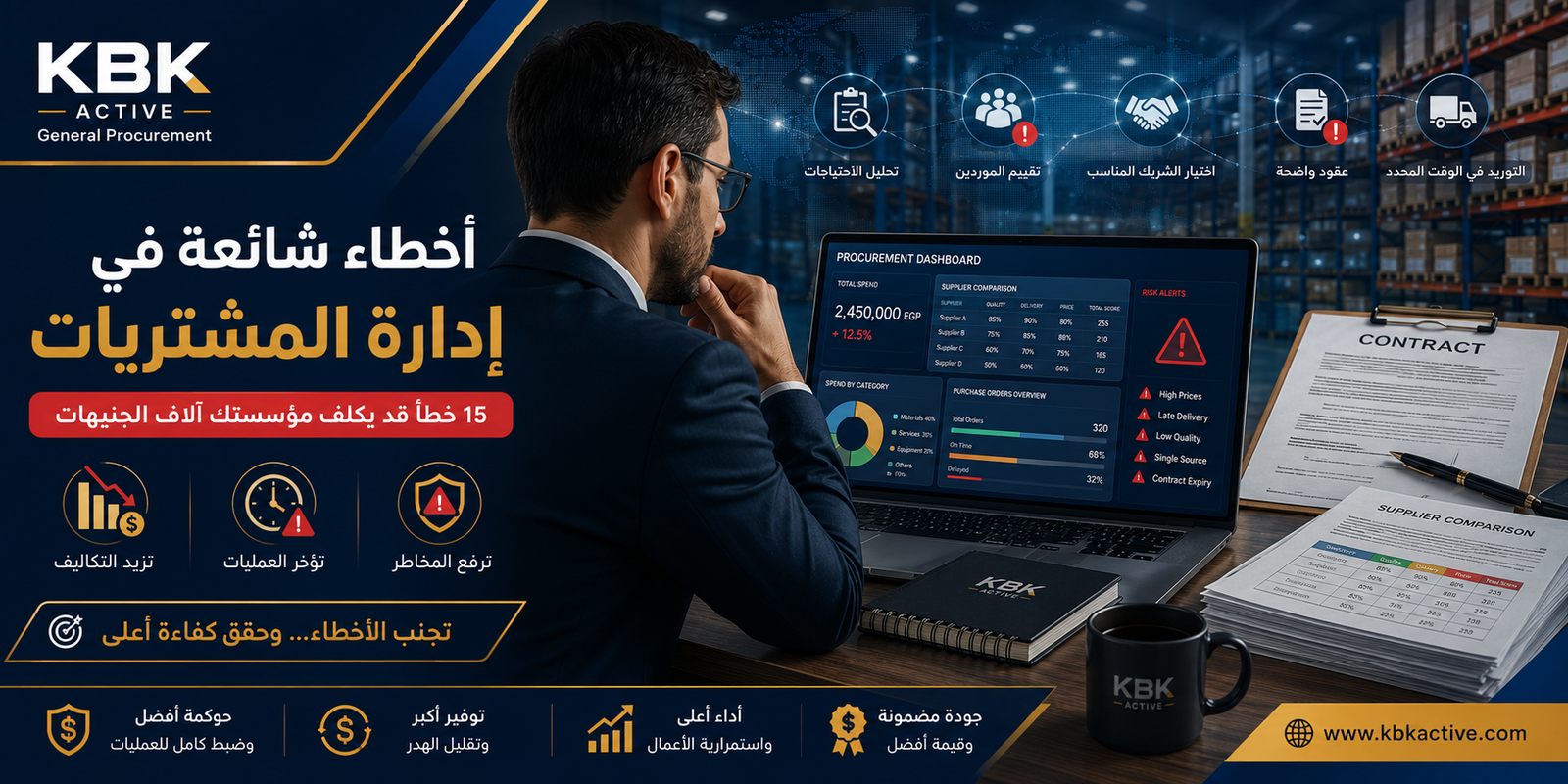
Common Procurement Mistakes
15 Errors That Could Cost Your Organization Thousands and How to Avoid Them
Procurement management plays a pivotal role in the success of any organization, directly impacting product and service quality, costs, and operational continuity. Yet many companies fall into recurring mistakes that lead to increased expenses, disrupted operations, and weakened supplier relationships.
In this guide, we review the most common mistakes with practical steps to avoid them.
1. Purchasing Without Planning
Buying only when needed leads to higher prices, delayed delivery, operational stoppages, and increased emergency purchases. Solution: Prepare an annual or quarterly procurement plan based on consumption forecasts.
2. Choosing Suppliers Based on Lowest Price Only
The lowest price does not always mean the best value. You may face low quality, delivery delays, poor after-sales service, and higher total cost in the long run. Solution: Evaluate suppliers based on price, quality, commitment, experience, and technical support.
3. Not Requesting Multiple Quotations (RFQ)
Relying on a single quotation deprives the organization of better opportunities. Solution: Send RFQs to multiple suppliers and compare results using clear criteria.
4. Weak Negotiation
Negotiation is not only about price but also includes warranty period, payment terms, delivery dates, transportation, training, and maintenance.
5. Relying on a Single Supplier
If the supplier stops for any reason, business operations may halt. Solution: Create a list of approved suppliers and distribute risk.
6. Lack of Supplier Evaluation Criteria
Not measuring supplier performance leads to continued dealings with unqualified partners. Key indicators: delivery commitment, product quality, response speed, complaint rate, and financial stability.
7. Poor Inventory Management
Excess inventory freezes capital, while shortages can stop production or service. Solution: Apply reorder policies, analyze consumption, and use inventory management systems.
8. Ignoring Total Cost of Ownership (TCO)
Purchase cost is not limited to the product price but includes transportation, installation, operation, maintenance, spare parts, energy consumption, and lifespan.
9. Not Documenting Contracts
Unclear contracts may cause legal disputes and project delays.
10. Poor Communication with Suppliers
Ongoing professional relationships help resolve problems quickly, improve service, and obtain better prices and terms.
11. Ignoring Digital Transformation
Manual procurement management increases error likelihood and consumes more time. Digital solutions like ERP and Procurement Management Systems improve efficiency and transparency.
12. Not Tracking KPIs
Without performance indicators, organizations cannot identify strengths and weaknesses. Key indicators: purchase cycle time, delivery commitment rate, savings percentage, inventory turnover, and internal department satisfaction.
13. Lack of Procurement Policies
No written procedures leads to inconsistent decisions and more errors.
14. Neglecting Price Reviews
Market prices change constantly; contracts and prices should be reviewed periodically to ensure competitiveness.
15. No Specialized Partner
Some organizations lack sufficient procurement expertise, leading to uneducated decisions. Partnering with a specialized procurement company can improve purchasing processes, supplier selection, quality control, and achieve sustainable savings.
How KBK Active Helps
KBK Active provides integrated procurement solutions for organizations, from needs analysis and RFQ preparation through supplier selection and negotiation, to quality and delivery follow-up — helping clients reduce risks and improve operational efficiency.
Conclusion
Successful procurement management does not depend only on lowering prices, but on building an integrated system based on planning, selecting the right suppliers, continuous monitoring, and data-driven decision-making. Every mistake avoided saves time and money and increases the organization's ability to achieve its operational goals and grow with confidence.
FAQ
Is the lowest price always the best choice?
Not always. Total value includes quality, commitment, and after-sales service.
How many suppliers should we work with?
It depends on the business nature, but it is recommended to have more than one approved supplier to reduce risk.
Can costs be reduced without affecting quality?
Yes, through planning, negotiation, and improving procurement management — not just by relying on price.
What is the most important procurement KPI?
There is no single indicator, but among the most important are purchase cycle time, delivery commitment rate, and savings percentage achieved.
Related Articles
- Learn more about procurement strategy
- Learn more about budget planning
- Learn more about performance metrics
Ready to Create Your RFQ?
Use our free RFQ Generator to create professional quotation requests in minutes.
Try RFQ GeneratorExplore more procurement tools at KBK Active Tools Center.
Put This Knowledge Into Practice
Generate RFQs and evaluate suppliers in minutes with our free online tools
About KBK Active
This article was written by KBK Active, a leading enterprise procurement company in Egypt. With over 12 years of experience serving hotels, restaurants, hospitals, and government sectors, we bring deep expertise to every topic we cover.
Learn More About UsRelated Articles
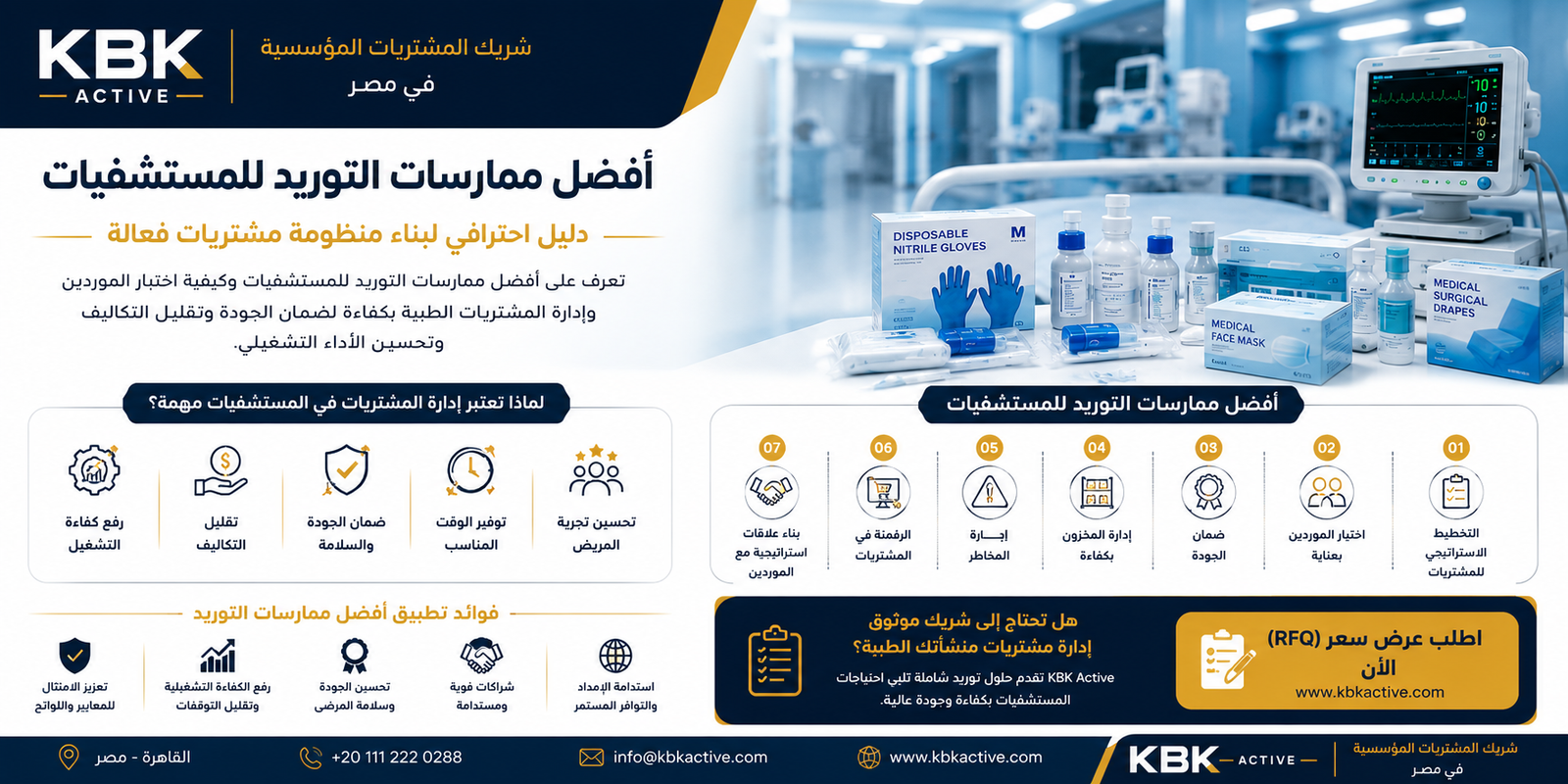
Hospital Procurement Best Practices: A Professional Guide to Medical Supply Mana
Learn the best practices for hospital procurement, how to choose suppliers, and …
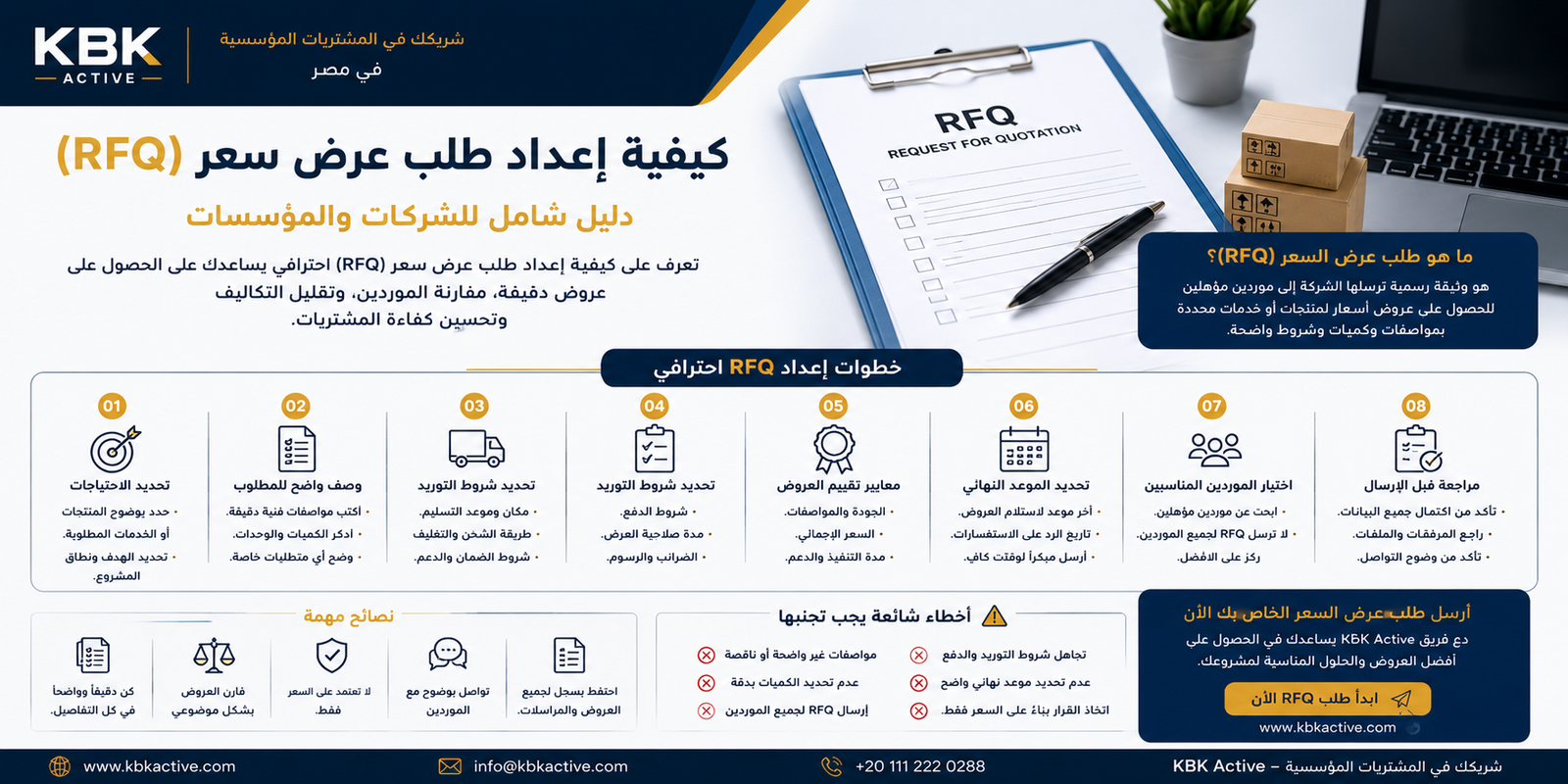
How to Write a Professional RFQ: A Complete Guide for Businesses
Learn how to write a professional Request for Quotation (RFQ) to get accurate bi…
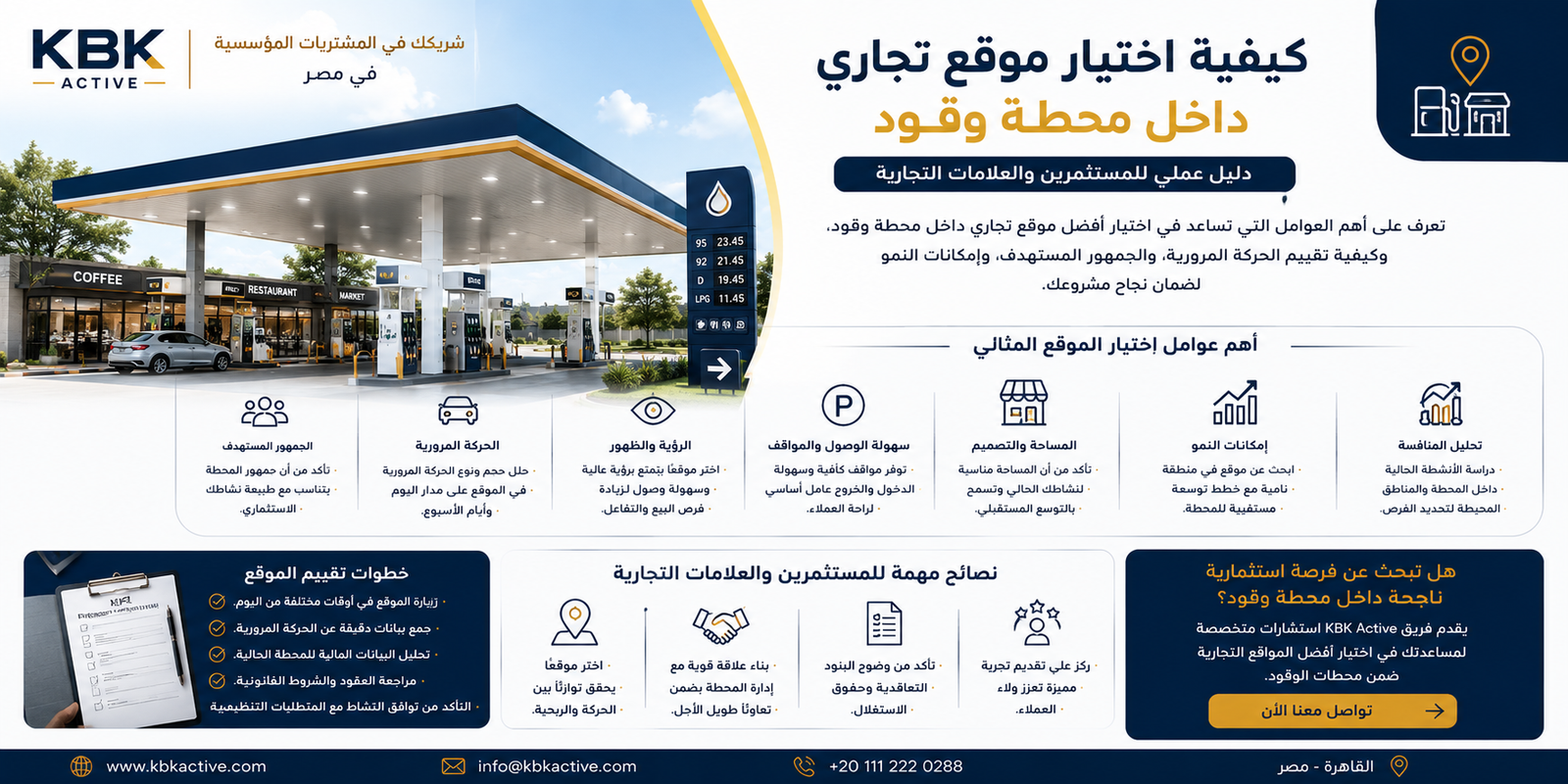
How to Choose a Commercial Location Inside a Fuel Station: A Practical Guide for
Learn the key factors for choosing the best commercial location inside a fuel st…
Need expert help with Common Procurement Mistakes: 15 Errors That Could Cost Your Organization Thousands and How to Avoid Them? Our team is ready to assist.
KBK Active provides end-to-end procurement solutions for enterprises